Eat Outside the Lines: The Rogue Chefs and Secret Kitchens Flipping Philly's Food Scene Upside Down
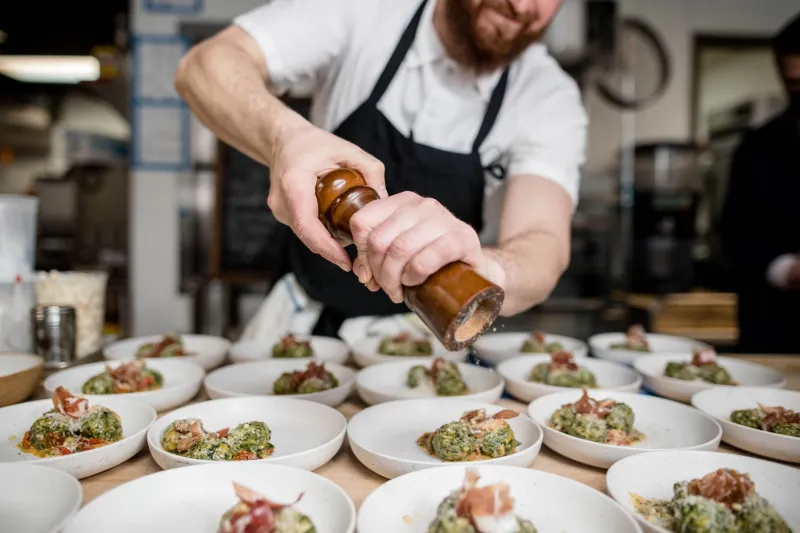
Let's be honest: the best meal you've had in Philadelphia recently probably didn't happen at a restaurant you found on a "Top 10 Philly Eats" listicle. It happened because a friend texted you a location at 4pm for a dinner that started at 7. Or because you followed a chef on Instagram who dropped a pop-up announcement that sold out in 40 minutes. Or because you wandered into a Fishtown coffee shop on a Sunday and stumbled into a tasting menu that had no business being that good.
That's where Philly food is living right now — in the gaps, in the margins, in the spaces between the established and the expected. And it is thriving.
The Decline of the Velvet Rope Kitchen
Philadelphia has earned its culinary reputation the hard way. From the James Beard-recognized kitchens of Jose Garces and Marc Vetri to the cheesesteak temples that tourists make pilgrimages to, this city has legitimate food royalty. Nobody's taking that away.
But there's a growing restlessness among younger diners — and younger chefs — with the traditional fine dining model. The white tablecloth. The prix fixe at $180 a head. The sommelier who makes you feel slightly judged for your wine choice. It's not that those experiences don't have value; it's that they're increasingly disconnected from how people in this city actually want to eat, connect, and explore.
The chefs leading the underground renaissance aren't anti-establishment because they can't get in — many of them trained in those very kitchens. They're doing something different because they genuinely believe the food and the experience can be better when you strip away the performance and just cook.
Kensington's Kitchen Revolution
If you want to understand where Philly's food counterculture is centered right now, spend some time in Kensington. Yes, that Kensington — a neighborhood that's been at the center of the city's opioid crisis and is simultaneously undergoing a complicated, community-contested wave of gentrification. It's also, quietly, becoming one of the most interesting food corridors in the city.
In converted warehouse spaces and repurposed industrial buildings, a handful of chef-driven concepts are operating residencies and pop-ups that would feel at home in Brooklyn or East Austin but carry a distinctly Philly edge. Think Filipino-Mexican fusion served on communal tables to 30 people max. Think whole-animal butchery dinners where the chef talks you through every cut. Think natural wine pairings with dishes built entirely around whatever was at the Reading Terminal Market that morning.
These aren't gimmicks. The cooking is serious, technique-forward, and deeply personal. What's different is the format — flexible, accessible (price-point wise, if not always geographically), and built around the idea that great food should feel like an event, not a transaction.
Fishtown's Pop-Up Ecosystem
Fishtown has been the city's creative epicenter for long enough now that some would argue it's lost its edge. Those people clearly haven't been paying attention to what's happening on the food side.
The neighborhood's dense concentration of small storefronts, coffee shops with evening hours, and underutilized bar spaces has made it a natural incubator for culinary experimentation. Chefs who can't afford (or don't want) the overhead of a traditional restaurant are using these spaces as testing grounds — running weekend pop-ups that function like extended auditions for concepts they're developing.
The audience for these events is savvy, adventurous, and deeply plugged-in. Regulars follow specific chefs the way people follow musicians, showing up loyally whenever a new concept drops. There's a real community forming around this circuit — people who've become friends because they kept running into each other at the same underground dinner series.
Social media has been the connective tissue here. A well-timed Instagram story from the right local food account can fill a 40-person seating in hours. It's a distribution model that completely bypasses traditional food media gatekeepers, and the chefs using it are building genuine, direct relationships with their audience.
Diverse Voices, Distinct Flavors
One of the most meaningful things about this underground food moment is who's leading it. The chefs driving the pop-up and residency circuit in Philly are disproportionately young, diverse, and bringing culinary traditions to the table that the city's fine dining establishment has historically underrepresented.
West African-inspired small plates. Vietnamese-American fusion that goes way beyond pho. Caribbean tasting menus built around diaspora ingredients and family recipes. South Asian street food elevated with classical French technique. These aren't fusion for fusion's sake — they're chefs cooking from their actual lived experience, and the food is richer for it.
This matters beyond the plate. When the culinary conversation in a city expands to include more voices, the whole scene gets better. It attracts more interesting collaborations, more diverse audiences, and more creative risk-taking across the board. The underground scene is, in a very real way, making Philly's entire food culture more interesting — including the established institutions that are increasingly looking to these chefs for inspiration.
How to Find It (Without Ruining It)
Here's the thing about underground dining: part of what makes it special is that it's not for everyone, and that's okay. You're not going to find these experiences on Yelp. You might find breadcrumbs on Instagram, but the real intel travels through friend networks and neighborhood word-of-mouth.
The best way in? Eat locally and talk to people. The bartender at your favorite Fishtown spot probably knows about the Sunday supper club happening two blocks over. The person working the counter at your neighborhood coffee shop might be the chef running a pop-up out of the same space on Friday nights. Philly's small enough that these connections happen organically if you're paying attention.
Follow local food accounts that actually cover the scene — not the ones recycling the same ten restaurant recommendations, but the ones going deep on emerging chefs and neighborhood spots. Show up, spend money, tip well, and tell your friends. That's how you support this ecosystem without commodifying it to death.
The Future of Philly Food Is Already Here
Philadelphia's culinary identity has always been scrappier, more working-class, more neighborhood-specific than its coastal peers give it credit for. The underground food scene isn't a departure from that identity — it's a direct expression of it. These chefs are doing what Philly people have always done: making something remarkable out of limited resources, refusing to wait for permission, and feeding their community in the process.
The famous institutions aren't going anywhere. But the most exciting chapter of Philly's food story is being written in converted warehouses and pop-up supper clubs by chefs who never asked for a James Beard nomination. They just wanted to cook. Lucky for us, they're cooking right here.