Midnight Medicine: The Late-Night Wellness Scene That's Quietly Saving Philly Night Owls

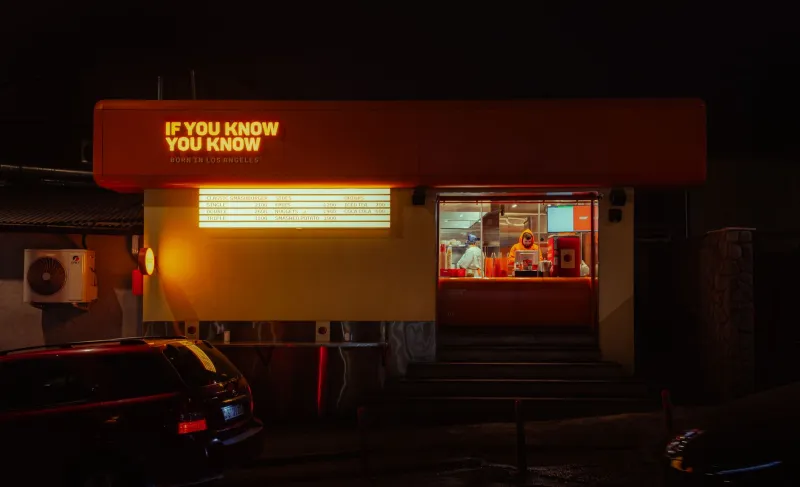
Photo by Photo by chahn chance on Unsplash on Unsplash
Wellness, as it's usually sold to us, looks a specific way. It looks like 6 a.m. sunrise runs and matcha lattes and studio fitness classes that cost more per session than some people's hourly wage. It looks like morning. It looks like productivity. It looks, if we're being direct about it, like a certain kind of person with a certain kind of schedule and a certain kind of money.
Philly's late-night wellness scene looks nothing like that. And it might be doing more actual good.
The Night Has Different Needs
For a significant portion of this city's population, the conventional wellness calendar is simply inaccessible. Service workers finishing a double shift at midnight. Creatives who don't hit their stride until 10 p.m. Parents who can only carve out personal time after the kids are asleep. People who work multiple jobs and whose only free window falls in the hours when most wellness businesses have long since locked their doors.
These aren't fringe cases. In a city like Philadelphia — where the service industry, the arts economy, and the gig economy employ enormous numbers of people — the overnight community is massive, and its needs are real.
What's emerging in response is a loose but growing network of late-night wellness spaces, gatherings, and practices that meet people where they actually are, at the hours they actually have. Some of it is organized. Some of it is spontaneous. All of it is genuine.
Speakeasy Stillness
One of the more surprising developments is the number of meditation and mindfulness gatherings that have taken root inside Philly's bar culture. Not in lieu of drinking — alongside it, in the same physical spaces, at hours that would make a traditional wellness practitioner's head spin.
A rotating series of late-night meditation sessions has been running in various Fishtown and Northern Liberties venues for the better part of two years. The format is deliberately low-pressure: drop in after your shift, find a cushion or a chair, sit for twenty minutes, talk if you want to. No app required. No membership. No judgment about what you were doing before you walked in.
"People show up in their work clothes smelling like a kitchen or a bar," says one of the organizers, a yoga instructor who got tired of teaching exclusively to people who could afford her daytime rates. "And they need this just as much as anyone sitting in a $40 class at noon. Maybe more."
The spaces that host these sessions have found something unexpected in the arrangement: their late-night crowds are calmer, the vibe is better, and the people who come for the meditation often stay for a drink afterward. It's wellness and nightlife in genuine dialogue, rather than in opposition.
Moving as Medicine
Dance has always been therapeutic — anyone who's lost themselves on a good floor knows this intuitively. But a growing number of Philly practitioners are formalizing that intuition into something that looks more explicitly like therapy, running structured movement sessions in underground and alternative spaces that blur the line between club and clinic.
These aren't raves with a wellness rebrand. They're intentional gatherings led by people with actual training in somatic therapy, trauma-informed movement, and body-based healing modalities. The music is curated for emotional arc rather than peak BPM. Participants are guided through movement prompts rather than just let loose on a floor. The container, as the facilitators call it, is held carefully.
"There's something that happens when you move your body in a dark room with other people that you cannot replicate in a clinical setting," says one facilitator who runs monthly sessions in a South Philly basement space. "The darkness helps people feel less watched. The music creates a shared emotional experience. People process things here that they've been carrying for years."
The sessions are sliding-scale priced, some operating on a pay-what-you-can model that makes them accessible to people who couldn't afford traditional therapy even if they wanted it.
2 A.M. Support Circles
Perhaps the most raw and necessary piece of Philly's late-night wellness underground is the peer support networks that have grown up in the hours when professional mental health resources are universally unavailable.
Crisis doesn't follow business hours. Neither does loneliness, grief, anxiety, or the particular kind of 2 a.m. darkness that anyone who's ever worked nights or struggled with sleep knows intimately. The formal mental health system — already strained, already underfunded — closes at 5 p.m. and tells you to call a hotline.
Some Philly communities have responded by building their own. Informal but structured peer support circles meet late at diners, at community centers, and in the back rooms of venues that open their doors for something other than profit. Trained peer support specialists — people with lived experience of mental health challenges who've gotten certification to help others — facilitate conversations that are part support group, part community gathering, part late-night lifeline.
"We're not therapists and we're not pretending to be," says one peer specialist who runs a weekly late-night circle in West Philly. "But we're here, and we know what it's like, and sometimes that's what someone needs at 2 in the morning more than anything else."
Redefining the Terms
What ties all of these disparate strands together is a shared rejection of the idea that wellness is something you earn through discipline, purchase through disposable income, or access only during daylight hours. Philly's late-night wellness practitioners are operating from a fundamentally different premise: that taking care of yourself is a right, not a reward, and that the structures designed to help people do it should fit actual human lives rather than demanding that human lives reshape themselves to fit the structures.
That's a progressive proposition, even if it rarely gets framed in those terms. It's also, practically speaking, just good sense.
The people building this scene aren't waiting for the wellness industry to catch up with them. They're already here, in the dark, doing the work — and the city is quietly better for it.