Proving Ground: Why Philly's Mid-Size Venues Are the Secret Weapon of the Modern Music Industry
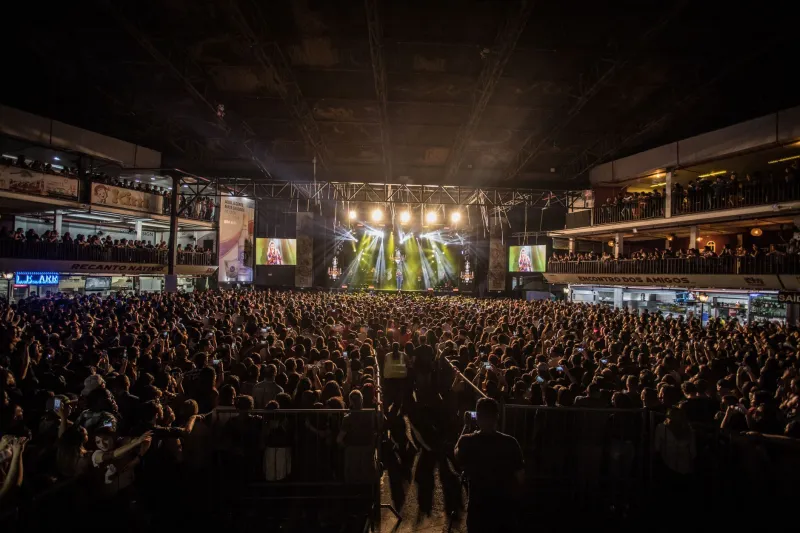
There's a moment that venue veterans talk about in almost reverent tones. It happens somewhere around the second song of the set, when the artist onstage stops performing at the crowd and starts performing with it. The room is big enough to feel electric but small enough that the energy has nowhere to escape. It just builds. And builds. In Philadelphia, that moment is happening more often than anyone outside the industry seems to realize.
The city's mid-capacity venues — those rooms sitting comfortably between 1,000 and 3,000 capacity — have become something of an open secret among touring managers, label scouts, and artists who've done their homework. These aren't the tiny clubs where you're pressed against a stranger's shoulder, and they're not the cavernous arenas where the artist is a speck on a Jumbotron. They're something rarer: rooms where the stakes feel real and the feedback is immediate.
The Sweet Spot Nobody Talks About
Ask anyone who books talent for a living and they'll tell you the mid-size venue is the hardest tier to get right — and the most valuable when you do. "It's where you actually find out if a record translates live," says one Philadelphia-based promoter who's been working the city's music ecosystem for over a decade. "A thousand people who chose to be there, who paid for a ticket, who are standing in a room with decent sound and a real stage — that's a referendum. You can't fake your way through it."
Philadelphia has always had the bones for this kind of thing. The city's blue-collar, show-me-what-you've-got attitude isn't a cliché — it's a cultural operating system. Philly crowds are famously unsentimental. They'll ride with you if you're good. They'll let you know if you're not. For artists in the middle of figuring out what their live show actually is, that honesty is worth more than a hundred soft-ticket markets.
Venues like the Franklin Music Hall, the Fillmore Philadelphia, and Underground Arts have each carved out distinct identities within this tier, drawing different crowds and different genres but sharing a common function: they're where the real work gets done before the big lights come on.
Artists Are Paying Attention
Talk to touring musicians who've played Philadelphia in the 1,000-to-3,000 range and a pattern emerges quickly. Many of them specifically request Philly on routing maps. Some have played the city three or four times in a single album cycle, using it as a calibration point.
"Philly tells you the truth," says one artist manager whose client recently sold out two consecutive nights at a mid-size room on Broad Street before announcing a national arena run. "We put Philly early in the tour on purpose. If the show works there, we know we've got something. If it doesn't, we've got two weeks to fix it before we hit the bigger markets."
This isn't accidental. Philadelphia sits at a geographic and cultural crossroads that makes it uniquely useful as a testing ground. It's close enough to New York to attract industry eyes without being swallowed by New York's own noise. It has a massive college population that skews toward early adoption. And it has a music press and social media ecosystem that responds quickly — a good Philly show generates chatter that travels.
The Venue Owners Holding It Together
None of this ecosystem runs on vibes alone. Behind the sold-out nights and the word-of-mouth buzz are operators who've made deliberate, sometimes financially painful choices to keep these rooms functioning at the highest level.
Sound investment is a recurring theme. Several of Philly's mid-size venues have made significant upgrades to their PA systems and stage monitoring in the last few years — not because it was cheap, but because artists notice and tell other artists. "Your room's reputation travels," explains one venue manager who oversees operations at a 1,800-cap space in the city's North Broad corridor. "We had an artist's sound engineer call us before a show specifically to ask about our board. That doesn't happen if you cut corners."
Staff culture matters too. The best mid-size rooms in Philly have developed crews — sound engineers, stage managers, production coordinators — who've worked together long enough to anticipate problems before they happen. That institutional knowledge is invisible to the audience but felt by every artist who walks through the load-in door.
What Gets Built in These Rooms
The transactional value of a mid-size Philly show — the data point, the rehearsal, the trial run — is only part of the story. What's less quantifiable but arguably more important is what happens between artists and audiences in these spaces over time.
Fanbases get built here. Real ones. The kind that follow an artist from the 1,500-cap room to the 10,000-seat venue two years later and feel a proprietary ownership over that artist's trajectory. "I was there before," is a sentence that gets spoken in Philadelphia with a particular kind of pride. These mid-size venues are where "before" happens.
For local music culture, the ripple effects are significant. When an artist has a breakthrough night at a Philly mid-size, they talk about it. They come back. They bring their peers. The city's reputation as a place that produces genuine moments — not manufactured ones — compounds.
The Ecosystem Nobody Wants to Lose
There's anxiety underneath all of this, and it's worth naming. Real estate pressure, rising operational costs, and the consolidation of live music ownership are squeezing independent mid-size operators in Philadelphia the same way they're squeezing their counterparts in every major American city. The economics of running a 2,000-cap room without the backing of a national entertainment conglomerate are genuinely difficult.
What's at stake if these venues disappear isn't just nostalgia. It's a functional layer of the music industry — one that serves artists, serves audiences, and serves a city that has always measured its cultural worth in live sound and real rooms.
The artists who've sweated through a Philly mid-size show and come out the other side know what these spaces are worth. The hope is that enough people outside the touring circuit figure it out before the rooms start going dark.