Beyond the Bar: How Philly's Queer Venues Are Building Something Bigger Than a Night Out
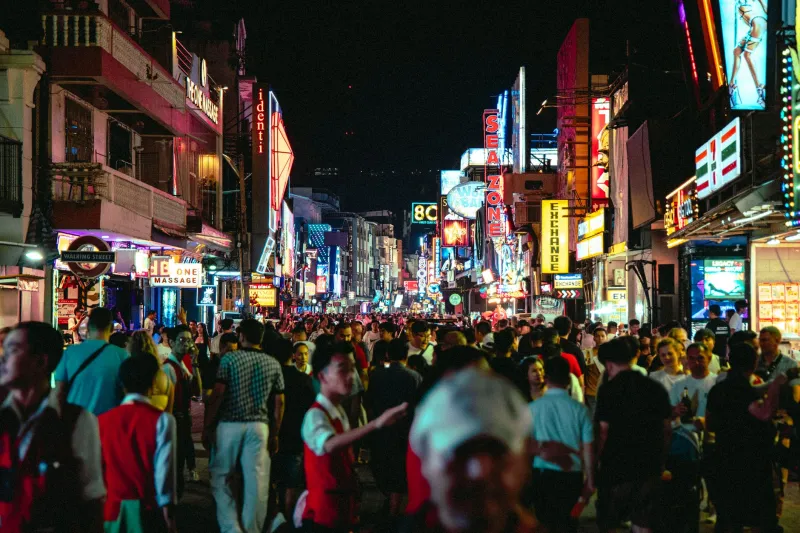
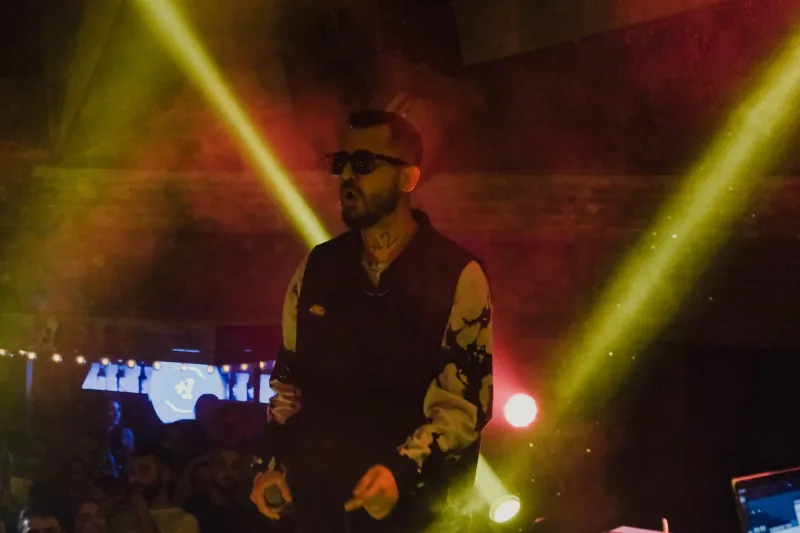
There's a moment, if you've ever stepped into one of Philadelphia's iconic queer spaces on a packed Friday night, where the energy hits different. It's not just the bass rattling your chest or the drag queen commanding the stage — it's something harder to name. A kind of collective exhale. A room full of people who, for a few hours at least, don't have to explain themselves to anyone.
Philly's LGBTQ+ nightlife has long been a cornerstone of the city's cultural identity. But in 2024 and into 2025, something is shifting. The venues that define this scene aren't content to just be bars anymore. They're becoming something closer to community infrastructure — and the people running them are thinking hard about what that responsibility actually means.
The Gayborhood Grows Up (Without Selling Out)
Walk down 13th Street on any given weekend and you'll still feel the electric hum that's made Philly's Gayborhood one of the most celebrated queer districts on the East Coast. Venues like Woody's and Voyeur have held down the block for years, drawing locals and tourists alike. But the conversation among venue owners, promoters, and regulars has matured significantly.
"People used to come here just to party," says Marcus Reed, a longtime DJ and event curator who's worked Philly's queer circuit for over a decade. "Now they're coming because they want to feel seen. They want to know the people running the room actually give a damn about them."
That shift in expectation is driving real, tangible changes in how these spaces operate. More venues are investing in staff de-escalation training, visible security protocols that don't feel aggressive or exclusionary, and sober-friendly programming that acknowledges not everyone in the community drinks. It sounds like basic stuff — and it should be — but the fact that it's being prioritized openly marks a genuine evolution.
Emerging Spaces, Expanding the Map
The story isn't just about established venues, either. A newer wave of queer-centered spaces and pop-up events is spreading the scene beyond the traditional Gayborhood footprint, reaching into neighborhoods like Fishtown, West Philly, and South Philly.
Collectives like Queer Frequency and Brown Sugar Philly have been throwing events that deliberately center BIPOC queer communities, trans and nonbinary folks, and people who've historically felt like afterthoughts in mainstream gay nightlife. These aren't fringe gatherings — they're selling out.
"There was always this assumption that queer nightlife meant a certain kind of gay nightlife," says Destiny Okafor, one of the organizers behind a monthly queer dance night that rotates through venues across the city. "We're just making visible what was always already there. The community is way more diverse than one strip of bars."
The venues that host these events are increasingly understanding the value of that partnership. Booking a queer collective night isn't just a progressive gesture — it's good business, and more importantly, it signals something to the community about whose comfort actually matters in that space.
Safety as a Design Principle
One of the most meaningful conversations happening in Philly's queer nightlife right now is about what safety actually looks like in practice — not as a slogan on a flyer, but as something built into the architecture of a night.
Several venues have moved toward trained community safety teams rather than traditional bouncers, drawing from models pioneered in cities like New York and Chicago. The idea is that the people managing conflict in a queer space should understand the specific dynamics of that community — the way harassment can look different, the way certain interactions carry weight that an outside observer might miss.
"We've had nights where someone was being harassed and a regular caught it before any staff did," Marcus Reed recalls. "That's the community protecting itself. Our job is to build an environment where that's possible — where people feel empowered to speak up."
Accessibility is also getting more attention. Venues are increasingly thinking about physical accessibility for disabled patrons, sensory considerations for neurodivergent guests, and gender-neutral restroom options as baseline expectations rather than nice-to-haves. It's a slower shift, partly because of the physical constraints of older buildings, but the direction is clear.
A Destination With Depth
Philadelphia has been drawing queer visitors for years — Pride weekend alone brings tens of thousands of people to the city. But what's increasingly drawing people from New York, DC, and beyond isn't just the party. It's the reputation for authenticity.
"People tell me they come to Philly because it feels real," says Okafor. "Like the scene is actually for queer people, not for straight tourists who want to feel edgy for a night."
That reputation is something the community is actively protecting. There's a real, ongoing conversation about gentrification and the ways that visibility and popularity can erode the very thing that makes a space special. As Philly's queer nightlife attracts more mainstream attention, the people who built it are making deliberate choices about who gets centered and who holds the mic.
The Night Keeps Evolving
What's most striking about Philadelphia's queer nightlife scene right now isn't any single venue or event — it's the collective sense of intention behind it. The people shaping these spaces are asking bigger questions: Who is this for? Who feels safe here? What does community actually mean when the lights come on?
Those questions don't have simple answers, and the scene is better for wrestling with them. Philadelphia has always been a city that does things its own way — scrappy, direct, a little rough around the edges, and deeply proud. Its queer nightlife carries all of that forward, while building something that looks less like a scene and more like a movement.
The dance floor is still there. The music is still loud. But the room has grown a conscience, and honestly, it hits even harder because of it.