Pages After Midnight: Philly's Late-Night Literary Scene Is the Nightlife No One Saw Coming
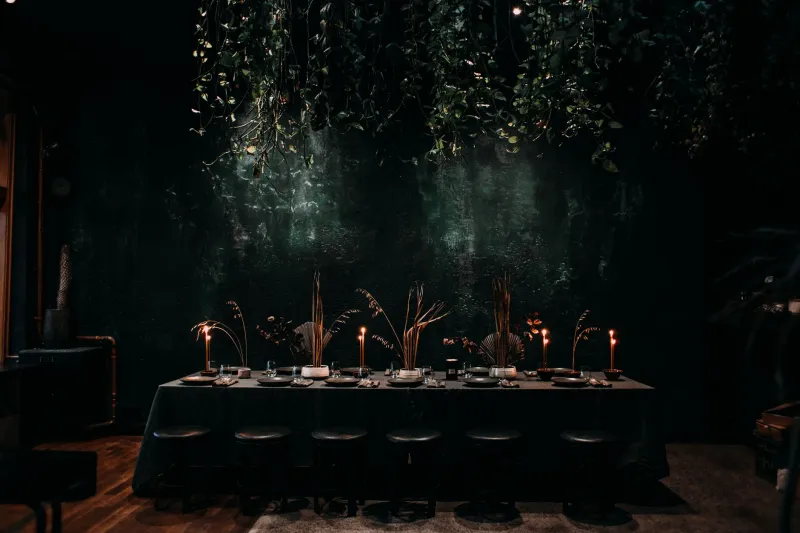
It's 10:45 on a Thursday in South Philly, and roughly thirty people are crammed into a room that smells like old paperback spines and somebody's really good candle. There's a folding table with wine in plastic cups. Someone in the corner is reading aloud from a debut novel that came out last month. Two people in the back are having what appears to be a very intense disagreement about the ending. Nobody is on their phone.
This is, apparently, what a good night out looks like now.
Philadelphia has always had a literary backbone — from its history as a publishing hub to its deep tradition of spoken word and slam poetry that runs through neighborhoods like West Philly and North Philly with as much cultural weight as any music scene. But something has shifted recently. The city's literary life has moved off the daytime schedule and into the hours that used to belong exclusively to bars and clubs. And the people showing up aren't who you'd necessarily picture when you think "book club."
The Scene That Snuck Up on Everyone
It didn't announce itself. There was no press release, no influencer campaign, no moment where someone decided that late-night reading events were the next big thing. It grew organically, the way the best Philly scenes always do — out of necessity, out of community, out of a collective sense that something was missing.
A lot of it traces back to the indie bookstore resurgence. Shops like those scattered through Fishtown, Chestnut Hill, and West Philly have been quietly extending their programming into evening territory, hosting author events that run past dinner and transition into open conversation, then into impromptu gatherings that nobody wants to end. Bookstore owners will tell you the same thing: people don't just want to buy books anymore. They want somewhere to be.
From there, the culture sprawled. Reading groups started meeting in bar back rooms after last call at other spots. Poetry open mics that used to wrap up by 9pm started pushing toward midnight. Zine-making workshops appeared in art spaces that also happened to serve beer. A rotating series of "silent reading parties" — yes, exactly what it sounds like, a room full of people reading their own books together — started drawing crowds in the kind of numbers that made organizers genuinely surprised.
Who's Actually Showing Up
Here's the part that complicates the easy narrative about who reads and who goes out: the people filling these events are not a monolith. You've got young professionals in their late twenties who've aged out of bar-hopping but aren't ready to become homebodies. You've got longtime Philly heads who grew up going to open mics and never stopped. You've got college students from Drexel and Temple who found out about a poetry night through a friend and now come every week. You've got people who work in tech during the day and need somewhere to exist that has nothing to do with screens.
What they share is less about demographics and more about disposition. They want nightlife that gives them something back. An experience that doesn't just happen to them but actually engages them. And increasingly, they're finding that a well-run literary event does that better than almost anything else on a Thursday night.
The social media angle is real too, even if it feels counterintuitive. Events built around books and conversation are, paradoxically, some of the most shareable experiences in the city right now. There's something about a room full of people genuinely focused on language — whether it's a poet destroying a microphone or a group dissecting a short story collection — that photographs with a kind of authenticity that's hard to manufacture.
Poetry as the Gateway Drug
If there's a single entry point for most people discovering Philly's late-night literary world, it's spoken word. The city has a poetry tradition that goes back decades and runs through its Black cultural institutions, its Puerto Rican community organizations, its LGBTQ+ spaces, and its DIY arts venues in ways that are deeply interconnected. That tradition never disappeared — it just wasn't always visible to people who weren't already plugged in.
Now it's more visible, partly because the venues hosting it have diversified and partly because the form itself has had a cultural moment nationally that's made it easier for new audiences to find their way in. Open mics in Philly right now are some of the most electrically alive rooms in the city on any given night. The work being done on those stages — personal, political, formally adventurous, sometimes devastatingly funny — is as good as anything happening in the clubs.
And unlike a lot of nightlife, it's genuinely accessible. Most events are free or cheap. You don't need to know anyone to walk in. The culture at the best of these spaces is explicitly welcoming in a way that a lot of nightlife scenes, despite their best intentions, still struggle to actually be.
Clandestine Reading and the Joy of Showing Up
Some of the most interesting corners of the scene are deliberately low-profile. Reading groups that operate through word of mouth and encrypted group chats. Monthly gatherings in private apartments where the host picks a theme and everyone brings something that fits. "Book swap" nights that function as much as social events as literary ones, where the real exchange is conversation and the books are almost a pretext.
There's something appealing about the clandestine quality of it — the sense that you're part of something that isn't trying to scale, that isn't optimizing for growth, that exists purely because the people in it want it to exist. In a city that can sometimes feel like every neighborhood is being repositioned for someone else's vision of what it should be, these small literary communities feel like an act of genuine self-determination.
Philly's late-night literary scene won't replace everything else. The clubs aren't closing. The bars aren't going anywhere. But it's filling a space that a lot of people didn't know they were hungry for — a place to go after dark that asks something of you, gives something back, and sends you home with your brain actually running.
Bring a book. Or don't. Someone will probably lend you one.