The Second Shift Table: Inside the After-Hours Feeding Grounds of Philly's Kitchen Crews
It's 12:47 a.m. on a Tuesday and the kitchen at a Center City bistro has just run its last ticket. The line cooks strip their station, dump the fryer oil, and pour themselves something stiff at the bar they spent all night working behind. Then comes the question every hospitality worker in Philadelphia knows by heart: where are we eating?
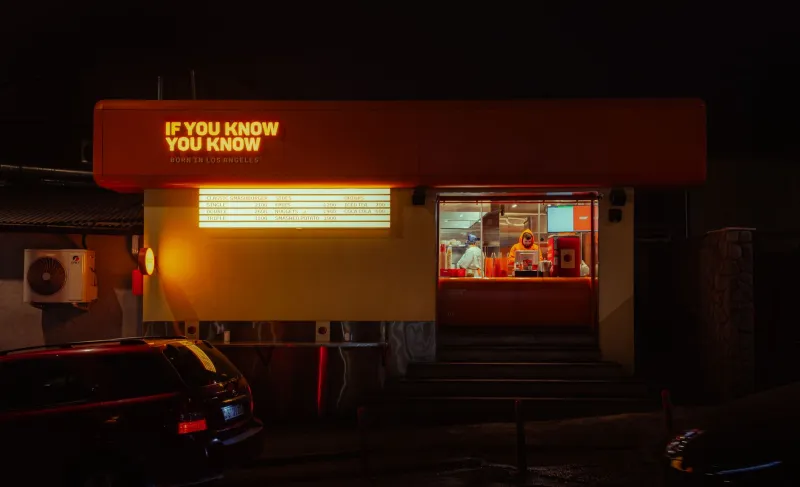
If you've never worked a double, you've probably never thought about this question. But ask anyone who's ever tied on an apron in this city and they'll rattle off a mental map more detailed than any food blog's — the taqueria on Washington that fires until 2, the Chinese takeout spot with the flickering OPEN sign that's never actually closed, the deli guy in South Philly who keeps a grill going "for the industry."
The Economy Nobody Counts
Philadelphia's restaurant scene gets praised constantly — James Beard nods, national listicles, tourists making the cheesesteak pilgrimage. What almost nobody talks about is the parallel food economy running underneath it, one that doesn't show up on reservation apps and doesn't care about your Instagram aesthetic.
These are the spots that feed the feeders. The ones where a server still in her blacks and a dishwasher with flour on his forearms can slide into a booth at 1 a.m. and decompress over something greasy, cheap, and fast.
"We clock out at midnight, I'm starving, and the last thing I want to do is cook," says Marcus, a line cook who's worked Fishtown kitchens for nine years. "There's a spot on Front Street where the owner knows all of us. He keeps the flat-top on late just for restaurant people. That's not on any menu. That's just respect."
Open Late, On Purpose
Talk to the owners of these after-hours institutions and a pattern emerges: most of them used to work in restaurants themselves. They know the hunger isn't just physical. It's the need to sit down, to be served for once, to talk trash about a brutal Friday dinner rush with people who get it.
That's why some of these shops stay open past the point where it makes financial sense. The late-night crowd is small but loyal, and the owners treat it like an insurance policy of goodwill. A cook who feels taken care of at 1:30 a.m. becomes a regular for life — and brings his whole crew.
There's an unspoken code, too. Industry workers tip heavy even when they're broke, because they know what a rough night looks like from the other side of the pass. You'll see a bartender drop a twenty on a $9 hoagie and wave off the change.
More Than a Meal
Sociologists would call these "third places" — the spaces that aren't home and aren't work, where community actually happens. But the late-night crew spots of Philly are something more specific than that. They're decompression chambers. Support groups. The after-party for the after-party.
It's where a server fresh off a bad shift gets talked off the ledge over fries. Where kitchen crews from rival restaurants end up sharing a table and trading stories. Where the industry's unofficial gossip network does its nightly broadcast — who's opening, who's closing, which chef is worth working for.
Keeping It Alive
The pressure on these spots is real. Rising rents, earlier last calls, and the slow homogenization of neighborhood corridors all threaten the late-night ecosystem. When a 24-hour diner becomes a condo lobby, the industry loses more than a meal — it loses a gathering point.
So the next time you're out late and you see a table full of people in aprons and non-slip shoes, raising a glass over plates of pork-fried rice, know that you're looking at the real engine of Philadelphia's food scene winding down. Buy them a round. They've earned it — and they'll be back on the line tomorrow.
The 2 a.m. table is always set. You just have to know where to look.