Silver Screens to Spotlight Stages: Philly's Historic Theaters Are Coming Back to Life
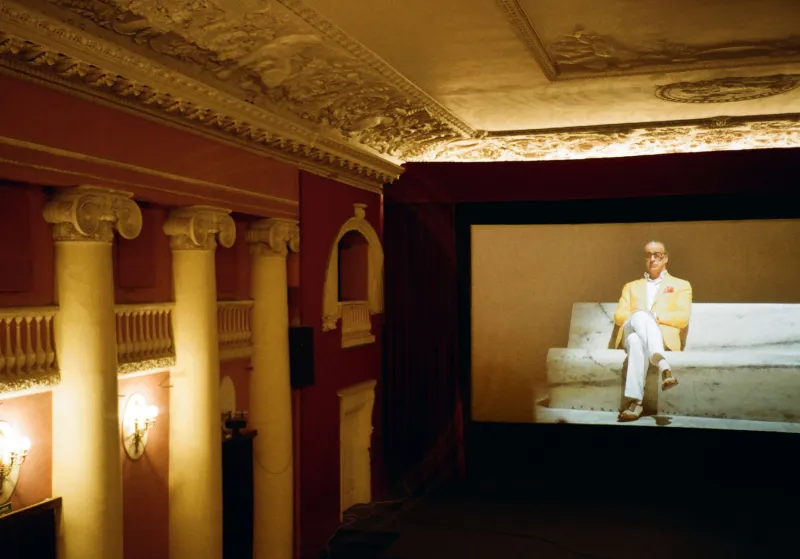
There's something almost sacred about walking into a building that used to hold thousands of people, all of them staring in the same direction, all of them feeling something together. That shared electricity — the hush before the curtain, the flicker of a projector, the collective exhale — is exactly what Philadelphia's old movie theaters were built to contain.
For decades, most of them couldn't hold anything at all. They sat empty, their gilded interiors moldering behind plywood-covered doors in neighborhoods that had changed around them. Now, slowly and with enormous effort, some of those buildings are waking up again.
The Architecture of Ambition
Philadelphia was once a city of movie palaces. In the early and mid-twentieth century, grand theaters lined Market Street and dotted neighborhoods from Germantown to South Philly. They were architectural statements — baroque ceilings, sweeping staircases, ornamental plasterwork that made even ordinary people feel like they were somewhere extraordinary.
The decline came in waves. Television pulled audiences away in the '50s and '60s. White flight hollowed out neighborhood commercial corridors in the '70s. The multiplex finished the job in the '80s and '90s. By the time most people started caring about preservation, a lot of the damage was already done.
But not all of it. A handful of these buildings survived — not always gracefully, not always intact, but structurally present. And that presence turned out to be an invitation.
What Revival Actually Looks Like
The transformation of a shuttered theater into a functioning venue is not a romantic process. It is, depending on who you ask, an act of stubbornness, financial risk-taking, and occasionally irrational optimism.
Take the ongoing efforts around several of Philadelphia's North and West Side theaters, where developers and community organizations have partnered to reimagine these spaces not just as event venues but as anchors for broader neighborhood investment. The challenge is always the same: the bones are beautiful, but the infrastructure is a disaster. Electrical systems haven't been updated in fifty years. Roofs leak. Asbestos hides in walls. The cost of bringing these buildings up to code while preserving their historic character can easily run into the millions.
"You can't approach it like a normal renovation," says one preservation architect who has worked on multiple Philly theater projects. "Every decision has consequences for the historic fabric of the building. You're constantly negotiating between what's possible and what's worth protecting."
The payoff, when it works, is a space that simply cannot be replicated. No new construction produces acoustics like a 1920s vaudeville house. No modern event space has the visual drama of a ceiling painted by craftspeople who treated their work like a cathedral commission.
More Than a Venue
What's interesting about the current wave of theater revival in Philadelphia is the intentionality behind it. These aren't just real estate plays dressed up in nostalgia. Many of the people doing this work are explicitly thinking about what these buildings can mean for their neighborhoods.
In Germantown, community-led efforts to restore historic entertainment spaces have been tied directly to economic development strategies — the idea being that a functioning cultural anchor draws foot traffic, supports adjacent businesses, and gives residents a reason to stay invested in their blocks. In West Philadelphia, similar conversations are happening around theaters that once served as central gathering places for Black communities during the era of segregation, when these were among the few public spaces where Black Philadelphians could sit anywhere they chose.
That history matters. Restoring these theaters isn't just about architecture — it's about reclaiming spaces of cultural significance and putting them back in service of the communities that built them.
The Nightlife Angle
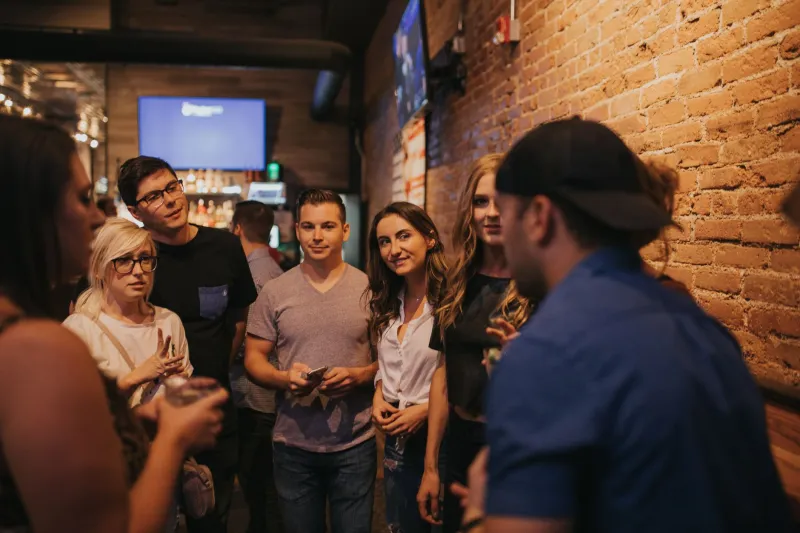
For the entertainment industry, these revived theaters represent something genuinely exciting: a new category of venue. They're too large for an intimate club night but too intimate and atmospheric for an arena. They sit in a sweet spot that's perfect for the kind of mid-scale events — immersive experiences, live music with theatrical staging, film screenings paired with food and drink, spoken word and performance art — that have become enormously popular with Philadelphia's younger audiences.
Several operators have already figured this out. Converted theater spaces around the city are hosting everything from burlesque nights to electronic music events to curated film series that double as social experiences. The combination of historic grandeur and contemporary programming creates something that a purpose-built event space simply can't manufacture: genuine atmosphere.
"People are hungry for spaces that feel like they have a story," says one event producer who regularly books historic venues across the city. "When you walk into a room that's been hosting performances for a hundred years, you feel that. It changes how you experience whatever happens there."
The Tension of Transformation
Not everyone is celebrating. Historic preservation advocates sometimes clash with developers over how much of a building's original character can be altered in service of modern use. Neighborhood residents who have watched their communities be reshaped by development look at theater revivals with understandable skepticism — wondering who these spaces are really being built for, and whether the people who already live nearby will be able to afford to use them.
These are legitimate concerns. The history of urban renewal in Philadelphia is littered with projects that promised community benefit and delivered displacement. Any honest conversation about theater revival has to grapple with that legacy.
The most promising projects are the ones that build community ownership into the model from the start — whether through nonprofit governance, community land trusts, or explicit programming commitments that prioritize local artists and local audiences.
Nostalgia as a Design Philosophy
There's also something worth examining in the cultural appetite that's driving all of this. In a moment when so much of our entertainment is delivered through screens and consumed alone, the appeal of a grand, shared, physical space is almost primal. We are, apparently, desperate for places that make us feel like we're part of something larger than ourselves.
The old movie palaces were built on exactly that instinct. They were engineered to create collective experience — to take a crowd of strangers and make them, for two hours, a community. That function hasn't become less relevant. If anything, it's become more urgent.
Philadelphia's revived theaters aren't just preserving history. They're offering a model for what public cultural life can look like when we decide it's worth fighting for. The marquees are lighting up again. It's worth paying attention to what they're advertising.