From Algorithm to IRL: How Dating Apps Are Rewiring Philly's Social Scene
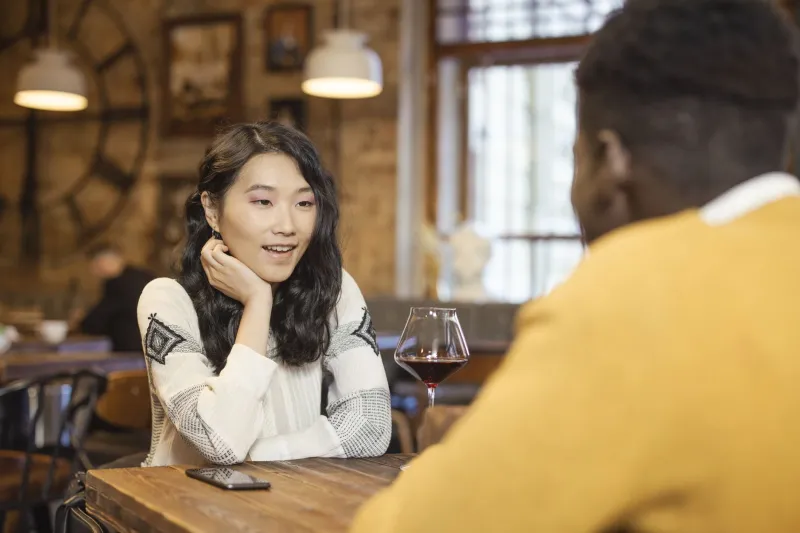
There's a corner booth at a wine bar in Fishtown that the staff quietly calls "the first date seat." It faces the door — perfect for clocking an arrival — and sits just far enough from the bar that conversation doesn't get swallowed by ambient noise. On any given Thursday night, that booth turns over three, sometimes four times. Different couples. Same nervous energy. Same phones face-down on the table.
This is what modern romance looks like in Philadelphia. And it is reshaping the city in ways nobody fully anticipated.
The Death of the Cold Approach
Ask anyone over 40 how they met their partner and you'll get a story with texture — a chance encounter at a South Street record shop, a mutual friend's house party in West Philly, a too-loud conversation at a Broad Street bar that somehow led somewhere real. Ask someone in their mid-twenties the same question and you'll almost certainly hear a different kind of origin story: a swipe, a match, a few days of DMs, and then a carefully negotiated first meeting at a neutral, public, reasonably priced spot.
The infrastructure of romantic spontaneity — the dive bar flirtation, the coffee shop eye contact that becomes something more — hasn't disappeared entirely. But it's been demoted. "People don't really come out looking anymore," says Marcus, a 31-year-old bartender who's worked spots in both Old City and Northern Liberties for the better part of a decade. "They come out to confirm what they already decided at home on their phone. The serendipity part happens on the app now."
That shift has had real, measurable effects on how Philadelphia's social venues operate — and on which ones are surviving.
Venues Are Adapting, Whether They Like It or Not
The old pickup bar model — loud music, dim lighting, a layout designed to encourage strangers to collide — is quietly giving way to something more deliberate. Intimate wine bars, specialty cocktail lounges, and experience-forward venues are thriving in part because they're optimized for the thing that actually matters now: the first date.
Jamila Osei, who co-owns a cocktail bar in Graduate Hospital, says she started thinking about her space differently about three years ago. "We noticed that our midweek traffic was almost entirely first dates. Like, obviously first dates — the body language, the slightly formal outfits, the way they were both trying too hard to seem relaxed." Rather than fight it, she leaned in. The bar now offers a curated cocktail flight explicitly marketed as a first-date option, designed to give two people something to talk about without the pressure of staring at each other over a dinner plate. It's become one of their bestsellers.
Across the city, similar adaptations are happening organically. Escape rooms in Center City report a spike in two-person bookings on weekend afternoons. Pottery studios and paint-and-sip spots in Manayunk are packed with couples who met online and are searching for a structured activity that does some of the conversational heavy lifting. Even axe-throwing venues — objectively chaotic — have carved out a niche as a "third date" destination for people who've already established basic compatibility and want to test chemistry under mildly absurd conditions.
The Coaching Economy
Where there's romantic anxiety, there's an industry ready to monetize it. Philadelphia's dating coach scene has quietly exploded over the past few years, catering to a population that knows how to optimize a profile but isn't always sure what to do when the other person is actually sitting across from them.
Denise Carver, a dating and relationship coach based in Center City who works primarily with professionals in their late twenties and thirties, says the core issue she sees isn't a lack of options — it's decision fatigue combined with underdeveloped real-world social skills. "These are smart, accomplished people who are genuinely struggling to translate digital fluency into physical presence," she explains. "They know how to be interesting in a text thread. They don't always know how to be interesting in a room."
Her workshops — which she runs out of a rented space in Rittenhouse — focus less on pickup tactics and more on what she calls "re-embodiment": learning to make eye contact, read body language, tolerate silence without reaching for your phone. The demand, she says, has been "kind of overwhelming."
Niche Is the New Normal
One of the more fascinating downstream effects of app-driven dating culture is the rise of hyper-specific singles events designed to cut through the noise of algorithmic matching. Philly's event calendar is increasingly dotted with gatherings built around shared identity rather than shared geography.
There are book-club speed dating nights in Germantown. Sober singles mixers in NoLibs that draw a crowd that's done with bar culture but still craves connection. LGBTQ+ professional networking events that blur the line between career development and community building in ways that feel genuinely new. "The app tells you you have 'things in common' based on whatever you put in your profile," says one organizer who runs a monthly singles dinner for South Asian professionals in the Delaware Valley. "But actually being in a room with people who share your cultural reference points — that's different. That's real."
These events are filling a gap that apps, for all their efficiency, can't close: the gap between matching and belonging.
What the City Is Losing
It would be dishonest to frame all of this as pure progress. Something has been lost in the transition — some quality of urban randomness that used to make cities feel alive with possibility. The idea that you might meet someone important on a Tuesday night simply because you both ended up in the same place is becoming a relic, a romantic notion about romance itself.
There's also a class dimension worth acknowledging. The premium-experience economy that's risen to serve first-daters — the curated cocktail flights, the pottery classes, the coaching sessions — isn't equally accessible. For young Philadelphians working service jobs or navigating gig work, the cost of modern courtship is real.
And yet. The city is adapting, as it always has. New rituals are forming in place of old ones. New spaces are learning how to hold the particular vulnerability of two people deciding, slowly, whether they like each other. The booth in Fishtown keeps turning over. The phones stay face-down.
Philly's still a city where people fall in love. The algorithm just gets a little credit now.