From the Basement Up: Philly's Independent Producers Are Beating the Industry at Its Own Game
The Studio Is Wherever You Make It
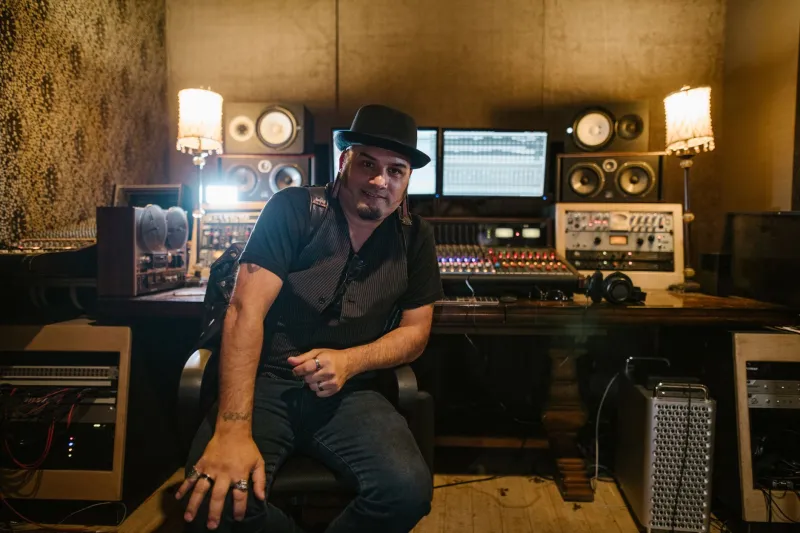
There's a bedroom in West Philadelphia where the closet is lined with moving blankets, a condenser mic hangs from a makeshift boom arm fashioned out of PVC pipe, and a $300 audio interface is doing the work of a $30,000 mixing board. That's where Darius "D-Roc" Holloway spends most of his nights — not sleeping, but building.
"People think you need a real studio to make real music," D-Roc says, swiveling in a secondhand office chair between two monitors. "But Philly taught me that the realest stuff comes from the most real places."
D-Roc is one of a growing number of Philadelphia-based producers who are bypassing traditional industry pipelines entirely and carving out careers through sheer craft, community, and a savvy understanding of how the modern music business actually works. He placed three beats on a nationally distributed R&B project last year. He's never set foot in a commercial recording studio.
This isn't a fluke. It's a movement.
The Philly Blueprint
Philadelphia has always had a complicated relationship with its own musical legacy. The city that gave the world Gamble and Huff, Boyz II Men, Meek Mill, and Jazmine Sullivan has a habit of undervaluing its own talent until the rest of the country comes calling. But something is shifting in the underground. Producers across the city — in Germantown, South Philly, Olney, and beyond — are taking their sound directly to the internet, to local artists, and to industry contacts, often skipping the traditional A&R gatekeeping entirely.
The tools driving this shift are more accessible than ever. Platforms like BeatStars and Airbit let producers license tracks directly to artists worldwide. Social media — particularly TikTok and Instagram Reels — has turned a 30-second snippet into a legitimate marketing strategy. And digital audio workstations like FL Studio, Logic Pro, and Ableton have democratized production in ways that would've been unimaginable even a decade ago.
"The barrier isn't equipment anymore," says Camille Torres, a producer and audio engineer who runs informal production workshops out of a shared creative space in Fishtown. "The barrier is knowing how to move. How to brand yourself. How to be consistent."
Torres has helped mentor more than a dozen young producers over the past two years. Several of them have gone on to place beats with regional artists; two are in active conversations with major label affiliates.
Networking at 2 A.M.
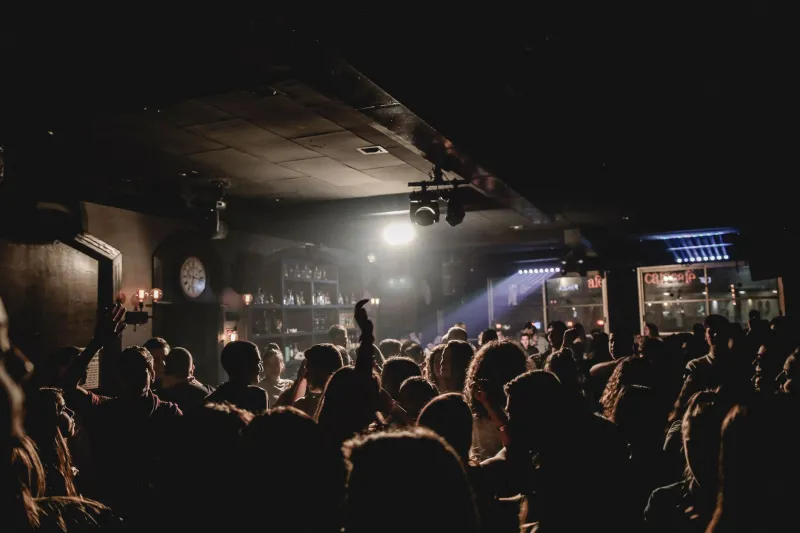
In Philly's production underground, business doesn't happen at 9-to-5 meetings. It happens at late-night studio sessions in Brewerytown, at open mic nights in Germantown, at listening parties hosted in someone's living room with 40 people crammed onto folding chairs. The city's nightlife circuit has become an unlikely networking engine for producers looking to connect with vocalists, engineers, managers, and tastemakers.
"I linked with my current manager at a rooftop event in NoLibs," says producer and multi-instrumentalist Janelle "JNell" Byrd, who has production credits on projects that have pulled six-figure streams. "He wasn't even there for music stuff. But I had my SoundCloud on my phone and played him something in the Uber line. That was it."
These informal connections are the lifeblood of Philly's scene. Unlike New York or Los Angeles, where industry events are often transactional and oversaturated, Philadelphia's smaller scale creates genuine proximity between emerging talent and the people who can move careers forward. The city is big enough to have real industry presence, but tight-knit enough that a handshake actually means something.
Keeping It Philly While Going National
One of the tensions that runs through every conversation with Philly producers is the question of identity. When you start getting attention from outside the city — from Atlanta-based A&Rs, from L.A. management companies, from streaming playlists curated in New York — how do you hold onto what made your sound distinctive in the first place?
For many, the answer is rooted in the city itself. Philly's sonic DNA — the gritty soul of WDAS, the boom-bap legacy of Broad Street rap, the gospel undertones that still thread through everything — is treated less like a limitation and more like a competitive advantage.
"I'm not trying to sound like Atlanta," D-Roc says flatly. "They already got Atlanta. I'm trying to sound like Philly. That's the thing nobody else can replicate."
That authenticity, producers say, is what's actually catching ears at the label level. In a streaming landscape saturated with algorithmically polished, regionally ambiguous music, something that sounds genuinely local — genuinely somewhere — cuts through.
The Next Chapter
The infrastructure around Philly's production scene is quietly maturing. Collectives like Sound Bloc Philly and the Broad Street Beatmakers Network are creating formal spaces for producers to share resources, co-produce, and build collective leverage with labels and publishers. Some are exploring sync licensing — placing music in film, TV, and advertising — as a revenue stream that bypasses the traditional artist-label model entirely.
And while the major label deals are coming — slowly, steadily — most of the producers working in Philly's underground aren't waiting around for a co-sign to validate what they already know.
The beats are getting made. The files are getting sent. The credits are stacking up.
One basement at a time.