Last Call for Justice: The Organizers Turning Philly Bars and Clubs Into Civic Battlegrounds
The Bar Is Open, and So Is the Ballot Box
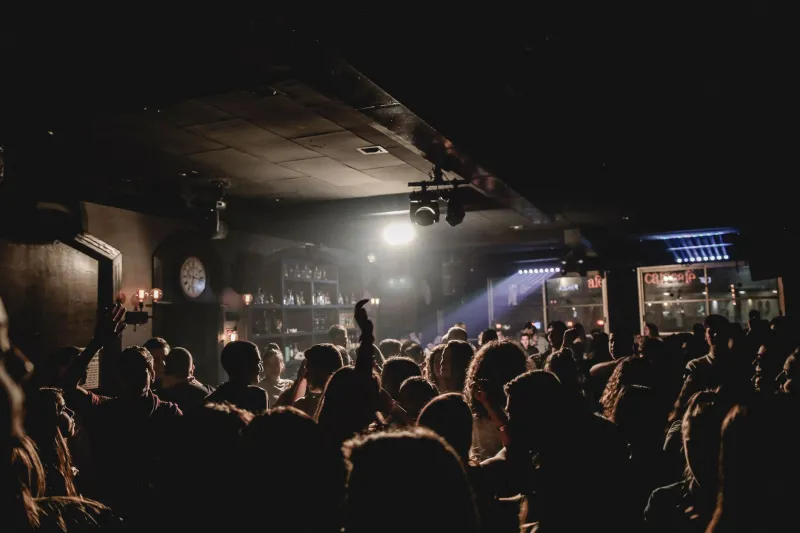
On a Thursday night at a bar in South Philly, the back room smells like beer and ambition. A DJ is running a mellow set in the front. Back here, there are clipboards, folding tables, laptops, and about 30 people in various stages of filling out voter registration forms. A volunteer with a laminated badge walks a young woman through the process, step by step, while someone else hands out flyers for a community meeting happening next weekend.
This is BLOC Night — a monthly event organized by a local civic group that partners with bars and small venues across the city to host what they call "democracy happy hours." The drinks are real. The organizing is realer.
"People are already going out," says Marcus Webb, one of the event's co-organizers. "We're just meeting them where they are."
It's a deceptively simple idea with increasingly powerful results. Across Philadelphia, a loose but growing network of activists, nonprofits, and community organizers is partnering with the city's bars, clubs, and event spaces to turn nightlife into a vehicle for civic engagement. Fundraisers, awareness campaigns, mutual aid drives, and political organizing — all of it happening under disco lights, over cocktails, and alongside music that keeps people in the room long enough to actually hear the message.
Why Venues? Why Now?
The logic isn't complicated. Traditional organizing spaces — community centers, churches, union halls — have their place, but they tend to attract the already-converted. Bars and clubs pull in people who might never otherwise walk into a town hall meeting or a nonprofit info session. The social atmosphere lowers defenses. The shared experience creates common ground.
"A church basement is great if you already believe," says Tanya Okafor, executive director of Groundwork Philly, a grassroots advocacy organization focused on housing justice. "But we need to reach people who are skeptical, who are burned out, who think politics isn't for them. Those people are at the bar on Friday night."
Groundwork Philly has hosted events at four different venues in the past year, including a fundraiser at a Fishtown bar that raised over $8,000 for a tenant defense fund in a single evening. The event featured live music, a silent auction, and — crucially — a 20-minute presentation by a housing attorney that organizers say generated more follow-up engagement than any traditional outreach they'd done in months.
The Venues That Said Yes
Not every bar owner is immediately sold on the idea of turning their space into a civic hub. There are real concerns: alienating customers with divisive politics, logistical complications, liability. But the organizers who've been doing this work say the key is framing and relationship-building.
"We don't come in and say, 'We're going to make your bar political,'" says DeShawn Carter, who runs a collective called The Table that specializes in connecting nonprofits with entertainment venues. "We say, 'We're going to bring 200 people to your space who care deeply about their community. They're going to spend money, they're going to have a good time, and something meaningful is going to happen while they're there.'"
The pitch works. Carter's collective has partnerships with more than a dozen venues across Philadelphia, including spaces in Germantown, Point Breeze, and Kensington — neighborhoods that don't always see this kind of organized civic energy. Some venue owners have become active participants, donating a portion of the night's bar proceeds to the organizing group's cause.
At a club in North Philly, the owner — who asked to remain unnamed — said hosting a gun violence awareness event last spring was one of the most meaningful things he's done with his space in 12 years of business. "Half those kids in here that night had lost somebody," he said. "You could feel it. But they were also dancing, and laughing, and signing petitions. That's community. That's what this place is supposed to be for."
What a Movement Looks Like on a Saturday Night
The events themselves vary wildly in format. Some are straightforward fundraisers with a live performance and a donation drive. Others are more structured — panels with local politicians or activists followed by open Q&A, all hosted at a bar with a two-drink minimum. A few have experimented with what organizers call "action stations": tables set up around the venue where attendees can sign up to volunteer, make a donation, or learn about a specific issue, each one staffed by a knowledgeable volunteer.
The Philadelphia chapter of a national reproductive rights organization held a benefit night at a Rittenhouse-adjacent cocktail bar earlier this year that blended a DJ set, a raffle, and a resource fair into a single seamless evening. They raised $12,000 and added 400 names to their volunteer list.
"People stayed for three hours," says the chapter's local events coordinator. "At a community meeting, you'd be lucky to get 45 minutes out of someone. The venue changes the whole dynamic."
The Tension at the Center
It would be naive to pretend this model is without friction. Some critics — including voices within the organizing community itself — worry about the optics of tying social movements to spaces that profit from alcohol sales, or about events that feel more like parties than genuine organizing. There's also the question of who feels welcome in which spaces, and whether the venues being used are accessible to the communities most affected by the issues being raised.
Organizers like Okafor take those critiques seriously. "We're always asking: who's in the room? Who's not in the room? And why?" she says. "The venue is a tool. Like any tool, it can be used well or badly."
But for the people showing up to these events — filling out registration forms, writing checks, signing up for phone banks — the conversation about methodology feels secondary to the fact that something is actually happening.
"I've been to a hundred boring meetings," says one attendee at a recent BLOC Night, tucking a freshly completed voter registration form into her bag. "This is the first time I've left one feeling like I actually want to come back."
That might be the most radical thing happening in Philly's nightlife right now.