Block by Block: The Philly Nightlife Operators Who Stopped Waiting and Started Building
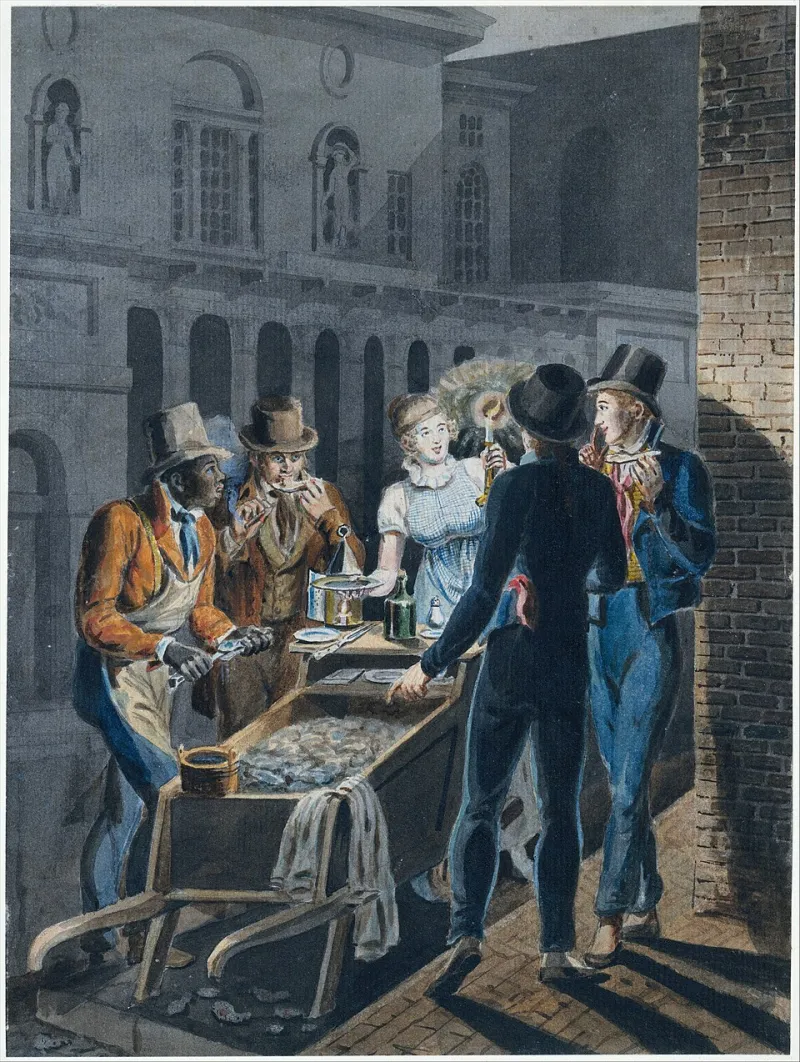
Photo: John Lewis Krimmel / Pavel Svinyin, CC0, via Wikimedia Commons
Let's be honest about something: Philadelphia's relationship with its own nightlife economy is complicated in the way that only a city with deep pride and chronically slow bureaucracy can manage. The talent is here. The culture is here. The appetite — god, the appetite — is absolutely here. What's been missing, in too many corridors and too many conversations, is the institutional support that could turn a buzzing block into a sustained destination.
So some people stopped waiting.
The Patience Problem
Anyone who's tried to navigate Philadelphia's permitting and licensing apparatus for a new entertainment concept knows the drill. Months of back-and-forth. Zoning hearings that feel designed to exhaust rather than facilitate. Promises from city representatives that arrive on the schedule of geological time. Meanwhile, a neighborhood that could be thriving sits half-dark on a Friday night.
The operators who are actually moving the needle right now didn't get there by mastering the bureaucratic process. They got there by routing around it wherever legally possible and building horizontal networks of mutual support that don't depend on top-down investment.
"I learned pretty early that the city is not going to save this block," says one promoter who's been running events in West Philly for nearly seven years. "That's not cynicism — that's just the reality of how these things work. Once I accepted that, I started thinking about what we could actually do ourselves."
What they did, specifically, was build a consortium of sorts — an informal alliance of neighboring businesses that share security costs, cross-promote events, coordinate closing times to manage foot traffic, and collectively negotiate with property owners. No official incorporation. No city contract. Just a shared recognition that a rising tide floats everyone's boat.
The New Math of Entertainment Districts
Traditional models of entertainment district development tend to follow a predictable arc: a few pioneering businesses open, the neighborhood gets hot, real estate prices climb, the original operators get priced out, chains move in, the soul evaporates. It's happened in cities across the country, and Philadelphia has watched its own version of this cycle play out in neighborhoods that used to feel electric.
The operators building right now are thinking explicitly about how to interrupt that cycle. Some are pursuing ownership over their spaces rather than long-term leases, absorbing the upfront cost in exchange for protection against displacement. Others are structuring agreements with landlords that include community benefit provisions — commitments to local hiring, affordable programming, or space for community events.
None of this is easy. None of it is cheap. But the alternative — building something beautiful and then watching it get absorbed into someone else's investment portfolio — is worse.
"We've seen what happens when you don't own your piece of the block," says one venue operator in South Philly who recently closed on the purchase of the building she'd been renting for five years. "I wasn't going to let that happen to us. We did what we had to do to make the numbers work."
Community Organizing as Business Strategy
One of the more interesting developments in Philly's independent nightlife scene is the degree to which community organizing tools have been imported directly into business strategy. Operators are running town halls. They're building email lists that look more like constituent databases than marketing funnels. They're showing up to civic association meetings not to fight permits but to build relationships that make future permits easier.
This isn't altruism, exactly — or at least, it's not purely altruism. Venue owners who are embedded in their communities have a layer of protection that isolated operators don't. When a neighbor complains about noise, there's a relationship to draw on. When a policy change threatens a liquor license, there's an organized constituency ready to show up.
The line between good business and good community citizenship, in this model, becomes essentially impossible to draw. Which might be exactly the point.
The Promoter Economy
Beyond the venue owners, a new generation of independent promoters is functioning as the connective tissue of Philly's entertainment corridors. These are the people who book the rooms, build the lineups, drive the social media, and — critically — take on the financial risk that venues can't always absorb themselves.
The best of them are operating less like event planners and more like neighborhood development officers. They're thinking about programming calendars as economic tools, deliberately scheduling events that bring in audiences who spend money in adjacent businesses. They're partnering with restaurants, galleries, and retail shops to create multi-stop evening experiences that keep people in a neighborhood for three hours instead of one.
"Every event I throw, I'm thinking about the whole block," says one promoter who's been building a reputation in North Philly's emerging scene. "If my show ends and people walk past a closed restaurant and a closed coffee shop, that's money that left the neighborhood. I want them spending it here."
What the City Could Learn
Here's the uncomfortable truth that this grassroots success story points to: the infrastructure being built by independent operators, community organizers, and scrappy promoters is more responsive, more creative, and frankly more effective than most of what's been attempted through official channels. That's not a knock on everyone in city government — there are people there who genuinely get it. But the institutional machinery moves at a pace that the culture can't afford to wait for.
The ask from the people doing this work isn't complicated. Streamline the permitting process. Create real pathways for small operators to access the kind of low-interest financing that makes ownership possible. Show up to the events that are already happening and ask what's needed instead of waiting for a formal proposal.
Until then, the block-by-block builders will keep building. They don't have the luxury of waiting, and honestly, they've stopped wanting to.