Here Today, Gone Tomorrow, Changed Forever: Philly's Pop-Up Scene and the Fight to Own the Block
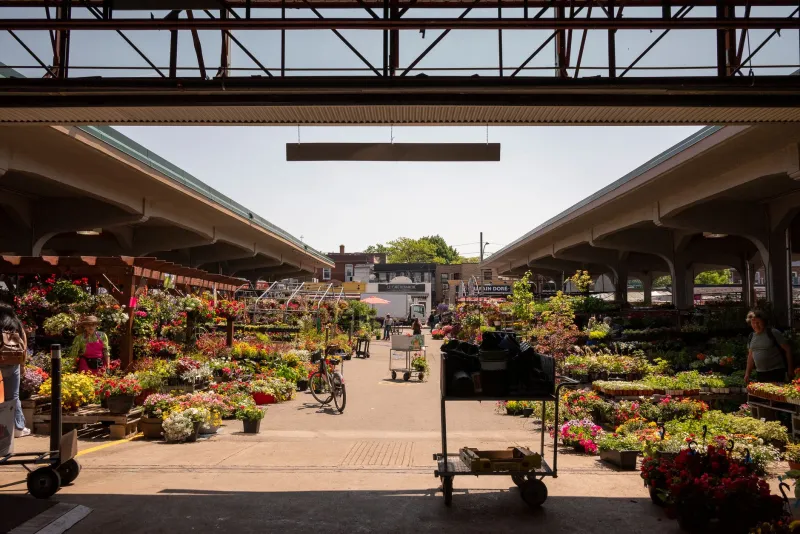
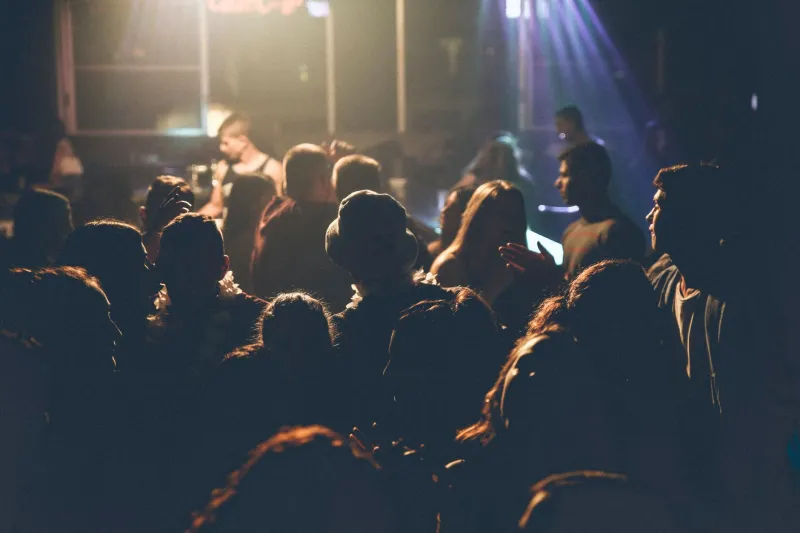
Somewhere in West Philadelphia last October, about 200 people crowded into a parking lot that, 48 hours earlier, had been empty pavement and a chain-link fence. There was a DJ. There were vendors selling handmade jewelry, jerk chicken, natural hair products, and hand-screened tees. There was a photographer doing free portraits. There was a kid doing spoken word in the corner. And then, two days later, it was gone — no trace, no lease, no permission slip from anyone in a suit.
This is the pop-up scene that Philadelphia has been quietly building for years. And it's becoming something a lot more significant than a weekend market.
The Architecture of the Temporary
What makes a pop-up powerful isn't its size or its production value. It's the fact that it exists entirely outside the institutional infrastructure that usually controls who gets to present culture, where, and on whose terms.
Traditional cultural venues — galleries, clubs, theaters, even farmers markets — come with gatekeepers. Lease agreements. Application processes. Curatorial decisions made by people who may or may not reflect the community they're supposedly serving. Pop-ups short-circuit all of that. You find a space, you build something, you invite your people, and you own the experience completely.
In Philadelphia, this model has exploded in the years since the pandemic reshuffled the city's relationship with public and semi-public space. With so many storefronts sitting vacant and so many communities hungry for gathering places that felt like theirs, the conditions were basically perfect.
"The pandemic broke the spell," said one organizer who runs a recurring underground market in Kensington. "People stopped waiting for institutions to come save them. They just started doing things."
Who's Running These Things?
The pop-up ecosystem in Philly is decentralized by design. There's no governing body, no official directory, no central calendar. Events spread through group chats, Instagram stories, and word of mouth — which is partly a practical choice and partly a political one.
The organizers are as varied as the events themselves. Some are longtime community activists using the pop-up format to build economic infrastructure in neighborhoods that have been systematically underinvested. Others are artists and musicians who've grown tired of fighting for wall space or stage time in venues that don't reflect their communities. Some are young entrepreneurs testing concepts before committing to a brick-and-mortar. And some are just people who love their neighborhood and want to create a reason for their neighbors to come outside.
What unites them is a conviction that cultural space is not a luxury — it's a resource, and communities have a right to produce it for themselves.
The Gentrification Question Nobody Wants to Dodge
Here's the tension that hangs over every conversation about Philly's pop-up scene: does this kind of cultural activity help communities claim space, or does it ultimately just make neighborhoods more attractive to developers who will price those same communities out?
It's not a hypothetical. There are blocks in Fishtown and Northern Liberties where grassroots cultural activity preceded — and arguably enabled — significant gentrification and displacement. The creative energy that made those neighborhoods feel alive became a selling point for real estate marketing that had nothing to do with the people who built that energy.
Organizers in communities with less real estate pressure are watching this dynamic closely. Many are making deliberate choices about where they locate events, who they platform, and what kinds of commercial activity they allow — specifically to avoid becoming a vanguard for displacement.
"We don't partner with anyone who's developing in the neighborhood," said the organizer of a recurring cultural market in Strawberry Mansion. "That's a hard line. The moment we become useful to gentrification, we've lost."
Others are pushing further, using the pop-up model to generate community wealth directly — routing vendor fees into neighborhood funds, connecting local entrepreneurs with resources, and building the kind of economic relationships that make a community harder to displace.
Flash Performances and the Reclamation of Public Space
Beyond markets and vendor events, Philly's pop-up scene includes a thriving tradition of flash performances — unannounced or minimally announced music, dance, and theater events in public spaces that transform the everyday experience of moving through the city.
These events operate in a legal gray area that most organizers navigate with a combination of speed and community cover. They're often over before anyone official knows they happened. But they leave something behind — a memory, a feeling, a sense that this street, this corner, this plaza belongs to the people who use it, not just the people who own it.
"It's a different kind of claiming," said one performer who organizes impromptu dance events in SEPTA station plazas. "You're not asking for a permit. You're just being present and beautiful in a space and daring anyone to tell you that you don't belong there."
Can the Momentum Hold?
The honest answer is: it depends on what we're trying to hold onto.
If the goal is to keep pop-ups operating as a pure alternative to institutional culture, the model is fairly resilient. It requires minimal infrastructure, scales up and down easily, and doesn't depend on any single venue or organization surviving.
But if the goal is to translate this energy into lasting community ownership — actual control over physical space, actual economic power for the communities involved — then the work is much harder and much more urgent. Pop-ups can build momentum, visibility, and solidarity. But they can't by themselves stop a landlord from tripling the rent.
The most sophisticated organizers in Philly's scene are already thinking beyond the temporary. They're using pop-up revenue to seed community land trust conversations. They're building relationships with city officials around vacant lot access. They're treating each event not as an end in itself but as a chapter in a longer story about who gets to shape this city.
The block isn't going to be saved by a single market. But it might be saved by the relationships, the resources, and the radical imagination that get built at one.