Wax Prophets: The Philly DJs Turning Every Set Into a Political Act
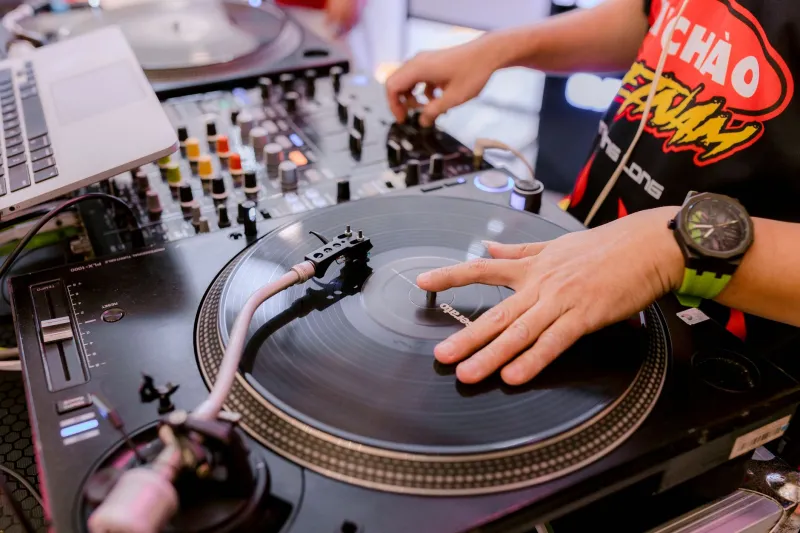
There's a moment that happens in certain Philly rooms — usually somewhere above a bodega, or tucked into a Kensington warehouse that doesn't have a sign out front — where the music stops feeling like background and starts feeling like testimony. The DJ isn't just playing songs. They're making an argument. They're drawing a map. They're telling you exactly who they are and daring you to keep up.
This is the Philly remix, and it sounds nothing like what corporate playlists want you to hear.
The Playlist as a Power Move
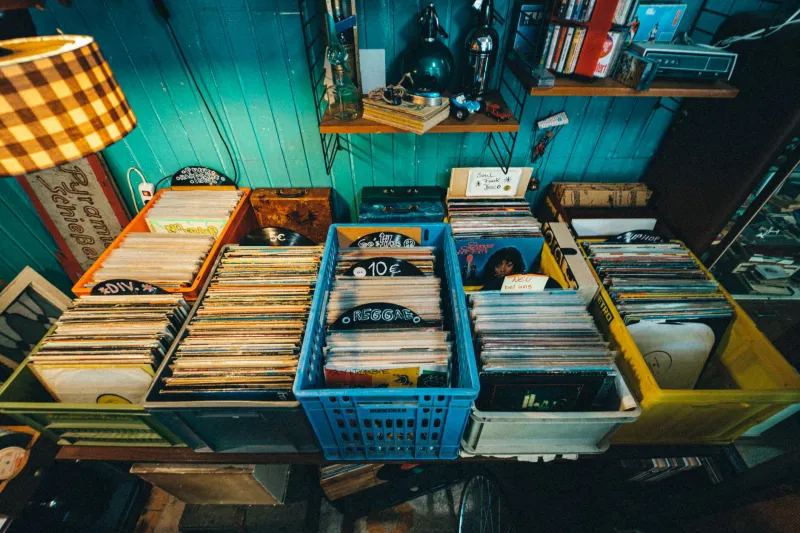
Spotify's editorial team has a formula. So does every major brand activation that books a DJ for a sneaker launch or a hotel rooftop takeover. It's warm, it's inoffensive, it moves units. And Philadelphia's most serious selectors — the ones who've been digging through crates at Philadelphia Record Exchange and trading bootlegs in West Philly living rooms for years — are done with it.
"When a brand tells you the vibe, you're not a DJ anymore. You're a human aux cord," says one selector who runs a monthly listening session in Germantown, speaking on condition of first-name-only. "I'd rather play for thirty people who actually want to hear something than five hundred people who can't tell the difference between me and a playlist."
That sentiment is spreading fast across the city's underground circuit. What's emerging isn't just a stylistic preference — it's a philosophy. Philly DJs are increasingly framing their curation choices as cultural statements, rejecting the sanitized, data-driven approach that dominates mainstream nightlife in favor of sets that are dense, deliberate, and deeply personal.
Invitation Only, and That's the Point
The logistics of this movement are intentionally intimate. We're talking about invitation-only listening sessions held in apartments in South Philly, residencies at bars in Fishtown that don't advertise on Instagram, and pop-up events announced through text chains rather than event pages. The exclusivity isn't about elitism — it's about protection. When you control the room, you control the conversation.
One collective operating out of West Philadelphia has been hosting monthly events for nearly two years without a single sponsored post. Their model is simple: a sliding scale door donation, a hand-selected crowd of maybe sixty people, and a rotating cast of local DJs who each get an uninterrupted hour to say whatever they need to say musically. No requests. No set time limits beyond the agreed-upon slot. No brand banners on the wall.
Attendees describe these nights as closer to a concert or a gallery opening than a traditional club experience. People actually listen. Conversations about the music happen in real time. Someone will stop mid-drink to ask, "Wait, what is this?" and the DJ will break down the track's lineage on the spot — a deep cut from a '90s Philly house producer, flipped into conversation with a current Jersey club rhythm, layered under a vocal sample from a protest recording.
That's not something an algorithm builds. That's a human being making choices.
The Corporate Hangover
To understand why this movement is gaining momentum now, it helps to understand what these DJs are reacting against. The mid-2010s saw a wave of brand partnerships and sponsored nightlife events that flooded Philadelphia's scene with cash — and with creative compromises. DJs got paid well to play safe. Venues chased sponsorship dollars that came with aesthetic strings attached. The music started to feel like it was designed to not offend anyone, which meant it stopped connecting with anyone either.
"There's a whole generation of DJs in this city who learned to perform for brands before they learned to perform for people," says a selector and producer based in North Philly who has turned down several high-profile residency offers in the past year. "And then they wonder why their sets feel hollow. It's because they've been trained to not say anything."
The backlash isn't anti-commercial across the board. Most of these DJs still take paying gigs. But there's a growing insistence on drawing a line between work-for-hire and work-that-means-something. The invitation-only sessions are, in part, a deliberate space to practice that distinction — to remember what it feels like to make choices that have nothing to do with a demographic report.
What the Music Actually Says
So what does a culturally intentional DJ set actually sound like in Philadelphia in 2025? Messy, in the best way. Genre-resistant. Historically aware.
You might hear a set that moves from Philly soul to Baltimore club to Afrobeats to experimental electronic without ever feeling like a genre exercise, because the connective tissue isn't style — it's a point of view. A set might open with a recording of a City Council meeting and end with a gospel choir sample. Another might spend forty minutes excavating the overlooked contributions of Black women to Philadelphia's dance music history before pivoting into something completely contemporary.
The references are local, often hyperlocal. Tracks recorded in studios on Germantown Avenue. Samples lifted from WRTI broadcasts. Shout-outs buried in intros that only people who grew up in certain zip codes will catch. This is music made for Philadelphia, not for a generalized idea of a night out.
The Long Game
None of this is going to make anyone rich overnight, and the people involved know that. The financial math of running a door-donation event in a rented space is not glamorous. But the DJs building this movement seem less concerned with scaling up than with going deeper — deepening their craft, deepening their community, deepening the cultural conversation they're trying to have.
There's something quietly radical about that in an era when every creative act is expected to come with a monetization strategy. Philly's wax prophets are betting that the rooms that feel like something, the nights that people actually remember, are worth more in the long run than any sponsored activation ever paid out.
And if you're lucky enough to get the text with the address? Show up ready to listen. This isn't background music. It never was.